
Feel Better
Health Optimization
Look Better
Aesthetic Medicine
Age Better
Skin Health & Rejuvenation
Perform Better
Performance & Recovery
Feeling Run Down? Understanding Hydration, Recovery, and Wellness Treatments
Understanding fatigue, hydration, and recovery—and how to give your body the support it needs.
You’re exhausted by midafternoon, your muscles seem to take longer to recover after exercise, or you simply don’t have the energy you used to.
Maybe you’re juggling work, family, workouts, and everything in between. You’re trying to take care of yourself, but lately, you just don’t feel like you’re functioning at your best.
Sound familiar?
Feeling run down is something many of us experience, but there’s a difference between needing a little extra recovery time and having an underlying issue that deserves attention.
Understanding that difference is an important part of taking care of your health.
Are You Getting Enough Hydration?
Water plays an essential role in nearly every function of the body, including temperature regulation, circulation, digestion, and muscle function.
Even mild dehydration can contribute to headaches, fatigue, dizziness, and difficulty concentrating.
Your hydration needs can change depending on your activity level, medications, illness, and how much fluid you’re losing through sweat.
For most people, drinking water regularly and replacing electrolytes when appropriate is enough to maintain healthy hydration.
But hydration isn’t always about drinking more water. It’s about understanding what your body actually needs.
Why Does Recovery Seem Harder Than It Used To?
As we age, changes in muscle mass, sleep quality, activity levels, and overall health can influence how quickly we recover from physical activity.
Whether you’re training for an event, returning to exercise, or simply managing a busy lifestyle, recovery is an important part of maintaining strength and performance.
Adequate protein, balanced nutrition, quality sleep, hydration, and appropriate rest between workouts all play important roles in muscle repair and recovery.
And sometimes, feeling constantly exhausted isn’t a sign that you need to push harder. It may be a sign that your body needs more rest—or that something else is going on.
IV Hydration Therapy: When Might It Be Helpful?
IV hydration delivers fluids directly into the bloodstream and may be appropriate in certain situations when oral hydration isn’t sufficient or practical.
For example, patients experiencing dehydration related to illness or difficulty tolerating oral fluids may benefit from medical evaluation and, when indicated, IV fluids.
Some IV formulations also contain vitamins or minerals, but more vitamins don’t automatically mean more energy or better health. For otherwise healthy, adequately nourished individuals, evidence that routine IV vitamin infusions improve energy, immunity, or athletic recovery is limited.
IV therapy is still a medical procedure, with potential risks including infection, fluid overload, and electrolyte disturbances. It should always begin with an appropriate health assessment.
Compression Therapy: Supporting Circulation and Recovery
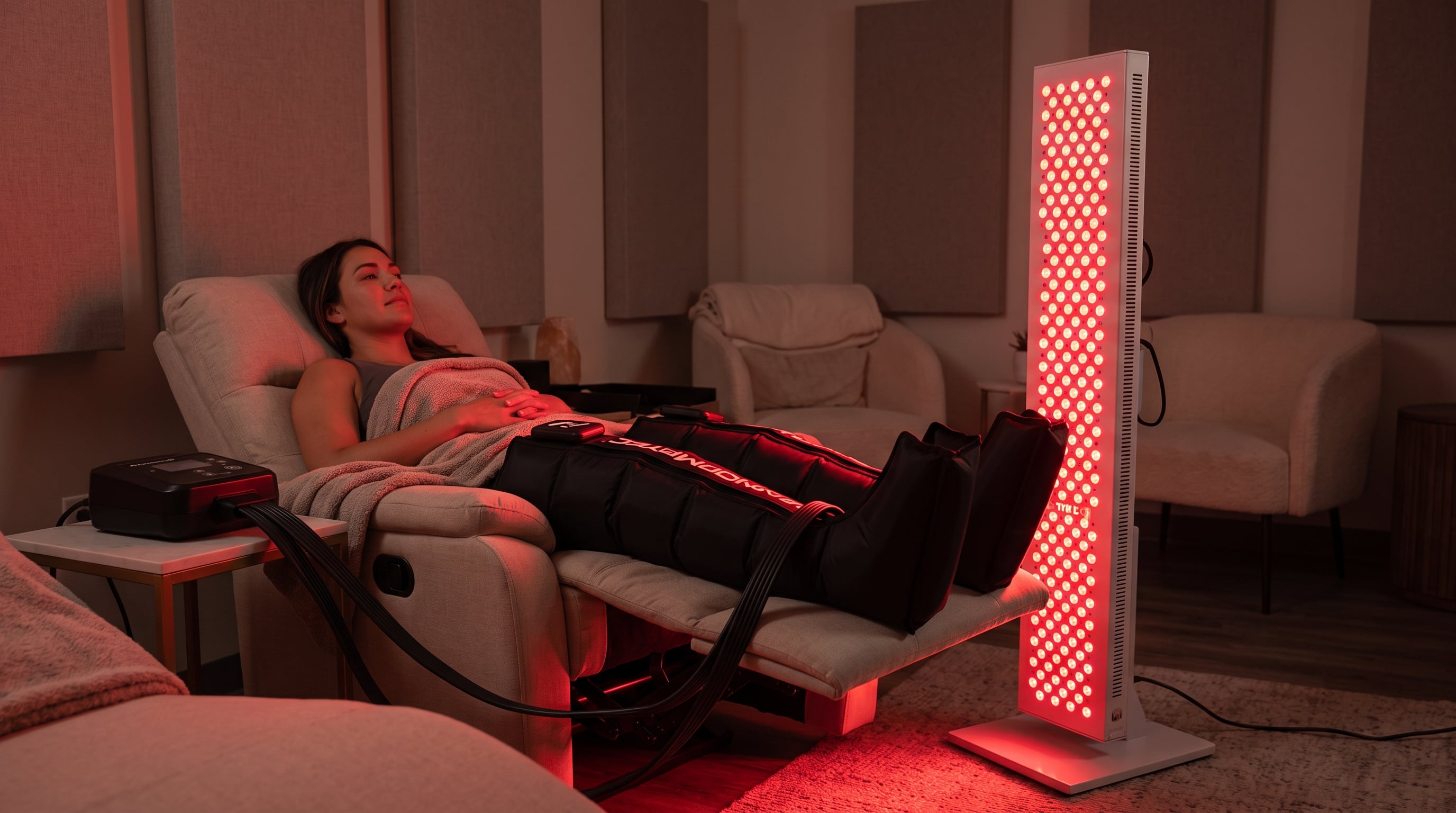
Compression therapy uses controlled pressure around the legs or other areas of the body to encourage venous blood flow and assist fluid movement.
You may have seen athletes using compression boots after workouts or heard about their use for tired, heavy-feeling legs.
Some research suggests intermittent pneumatic compression may provide modest improvements in post-exercise soreness or perceived recovery, although evidence for meaningful performance improvements remains limited.
Compression isn’t appropriate for everyone, particularly patients with certain vascular or cardiac conditions, so proper screening is important.
Red Light Therapy: What Does the Research Say?
Red light therapy, sometimes called photobiomodulation, uses specific wavelengths of red and near-infrared light that interact with tissues.
Researchers are studying its potential effects on inflammation, muscle recovery, joint discomfort, and skin health.
Some studies suggest benefits for certain conditions and recovery measures, but results vary depending on the device, treatment settings, and individual patient. Evidence is still developing, and not every commercial device delivers the same results.
Red light therapy may be a helpful complement to a wellness routine, but it isn’t a replacement for medical treatment, exercise, nutrition, or adequate sleep.
When Is Fatigue a Sign of Something More?
Occasional fatigue after a busy week or intense workout is normal. But persistent exhaustion, unexplained weakness, frequent dizziness, or a noticeable decline in your ability to complete everyday activities deserves further evaluation.
Conditions such as anemia, thyroid disorders, sleep apnea, medication side effects, nutritional deficiencies, and other medical concerns can contribute to fatigue.
New fatigue accompanied by chest pain, significant shortness of breath, fainting, or sudden severe weakness requires urgent medical attention.
The important thing to remember is that feeling run down isn’t always something you should simply push through.
Our Approach at Ballard Wellness & Aesthetics
At Ballard Wellness & Aesthetics, we believe recovery and wellness should begin with understanding your body—not simply choosing a treatment from a menu.
With my background in primary care, I understand the importance of looking beyond symptoms to consider what may be contributing to how you feel.
Our Performance & Recovery services include IV hydration therapy, compression therapy, and red light therapy, offering additional wellness options when appropriate for your individual needs.
But our approach doesn’t stop there. We consider your health history, medications, hydration status, lifestyle, and personal goals to help determine which services may be beneficial—and when further medical evaluation may be the better next step.
Sometimes the answer is improved hydration, more consistent sleep, or a better recovery routine. Other times, additional medical care is needed.
Our goal isn’t simply to help you recover from a busy day or a challenging workout. It’s to help you better understand your body, make informed choices, and support your health for the long run.
Written by Amber Ballard, APRN
Ballard Wellness & Aesthetics
Still Have Questions?
We’re here to help! Schedule a consultation to discuss your goals, explore your options, and discover the treatments or programs that are right for you.
Book a Consultation