
Feel Better
Health Optimization
Look Better
Aesthetic Medicine
Age Better
Skin Health & Rejuvenation
Perform Better
Performance & Recovery
Weight Loss and Loose Skin: Why It Happens and What You Can Do About It
Understanding how weight loss affects your face and body, why skin loses firmness, and which treatments may help.
You’ve worked hard to lose weight, and you’re proud of the progress you’ve made.
But now you’re noticing something you weren’t necessarily expecting.
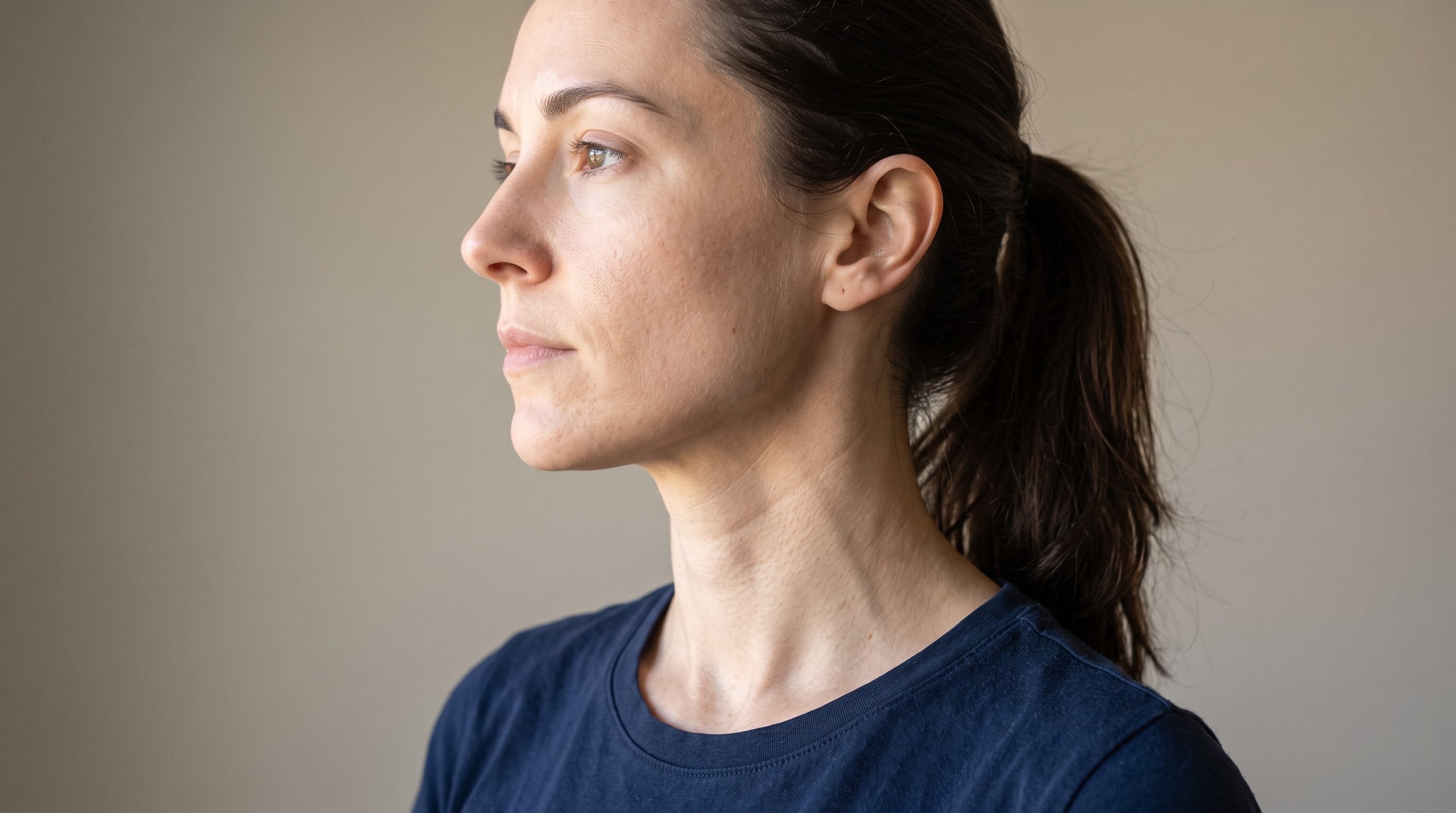
Your face looks a little thinner, your neck doesn’t seem as firm, or the skin around your abdomen, arms, and thighs looks looser than it did before.
You may even feel frustrated that, despite reaching your weight-loss goals, certain areas don’t look quite the way you imagined.
It’s a common concern following significant weight loss, and understanding why these changes happen can help you make informed decisions about what comes next.
Why Does Weight Loss Change the Appearance of Our Skin?
Our skin is supported by collagen, elastin, and the underlying tissues that give it structure.
As we age, collagen and elastin naturally decline, reducing the skin’s ability to maintain firmness and elasticity.
When we lose weight, we also lose some of the fat that previously provided fullness beneath the skin.
If the skin doesn’t contract enough to accommodate that change, it can appear loose, crepey, or less firm.
The amount of skin laxity varies depending on age, genetics, sun exposure, the amount of weight lost, and how long the skin was stretched.
Why Does My Face or Neck Look Older After Weight Loss?
Facial fat plays an important role in supporting the contours of our cheeks, temples, and lower face.
As facial volume decreases, areas that once looked fuller may appear hollow, and existing lines or skin laxity can become more noticeable.
Similar changes may occur around the jawline and neck, where a combination of volume loss and reduced skin elasticity can affect definition.
Some people refer to these changes as “Ozempic face,” but they’re not unique to GLP-1 medications.
These changes are primarily associated with the loss of facial volume and can occur with significant weight loss from many different methods.
What About Loose Skin on My Arms, Abdomen, and Thighs?
The same process can occur throughout the body.
Areas such as the upper arms, abdomen, and inner thighs may develop loose or crepey skin after substantial fat loss.
While maintaining muscle through resistance training can improve underlying body shape, building muscle doesn’t necessarily tighten stretched skin.
And although slower weight loss may help support overall nutrition and muscle preservation, it cannot guarantee that loose skin will be prevented.
Sometimes the skin improves gradually as your weight stabilizes. Other times, additional treatment may be needed to address the changes you’re noticing.
Can Skincare Products Tighten Loose Skin?
Good skincare is important for maintaining skin health, hydration, and protecting collagen from further damage.
Ingredients such as retinoids may improve certain fine lines and skin texture over time, while daily sunscreen helps prevent additional sun-related collagen damage.
However, topical skincare products have limitations.
Creams and serums cannot reliably tighten significant loose skin or replace lost facial volume.
For patients looking for more noticeable improvement, professional treatments may be worth discussing.
How Does Morpheus8 Help?
Morpheus8 is a radiofrequency microneedling treatment that combines tiny needles with controlled radiofrequency energy delivered into the skin.
This process stimulates a healing response and encourages collagen remodeling, which may improve skin texture, fine lines, and mild to moderate skin laxity.
Morpheus8 can be used in selected areas of the face, neck, and body, including the abdomen, arms, and thighs.
Results develop gradually as collagen remodeling occurs, and many patients benefit from a series of treatments.
However, Morpheus8 isn’t a substitute for surgical skin removal when significant excess skin is present. It also doesn’t replace lost facial volume.
Treatment depth and energy settings matter, particularly in areas where preserving facial fat is important. An individualized assessment helps determine whether RF microneedling is appropriate or whether another treatment would better address your concerns.
Is Morpheus8 Right for Everyone?
Not necessarily.
Some patients may benefit from treatments that focus on improving skin texture and collagen remodeling, while others may need volume restoration or a different approach.
Patients with substantial loose skin may achieve more meaningful results through surgical options.
RF microneedling also carries risks, including burns, scarring, pigmentation changes, and unwanted fat loss, so careful patient selection and appropriate treatment settings are essential.
The goal is to understand whether your concern is primarily related to skin laxity, lost volume, or a combination of both.
Our Approach at Ballard Wellness & Aesthetics
At Ballard Wellness & Aesthetics, we understand that reaching your weight-loss goal is only one part of your journey.
Our medical weight management program focuses on helping patients lose weight thoughtfully while supporting nutrition, muscle preservation, and long-term health.
But we also recognize that changes in body composition can affect how you feel about your appearance.
With our experience in both medical weight management and aesthetic medicine, we’re able to evaluate these concerns from a broader perspective.
For patients experiencing changes in skin firmness or texture, we offer Morpheus8 RF microneedling as one potential option to support collagen remodeling and improve selected areas of mild to moderate skin laxity.
We also take the time to explain when other treatments—or simply allowing your weight to stabilize—may be more appropriate.
Our goal isn’t simply to help you reach a number on the scale. It’s to help you feel healthy, strong, and confident in your changing body, with a thoughtful approach to both your wellness and aesthetic goals.
Written by Amber Ballard, APRN
Ballard Wellness & Aesthetics
Still Have Questions?
We’re here to help! Schedule a consultation to discuss your goals, explore your options, and discover the treatments or programs that are right for you.
Book a Consultation